Historic Infrastructure Program created or saved 40,000 jobs in each of the past six years.
FOR IMMEDIATE RELEASE: July 15, 2026
Contact: Todd Stenhouse, 916-397-1131, toddstenhouse@gmail.com
Springfield, IL: A new analysis of the six-year Rebuild Illinois Capital Program shows the state’s historic investments in infrastructure delivered a nearly 200% return on investment to the Illinois economy, created or saved nearly 40,000 jobs per year, and boosted local and state tax revenues by nearly $400 million. Performed by the non-partisan Illinois Economic Policy Institute, the analysis was commissioned by the American Council of Engineering Companies of Illinois.
Read the Report, “Rebuild Illinois Six Years Later: Evaluating Transportation Investments and Economic Impact Statewide”
The report utilizes data from the Illinois Department of Revenue (IDOR), Illinois Department of Transportation (IDOT) and Federal Highway Administration (FHWA) to chronicle the full range of Rebuild Illinois investments between 2020 and 2025, and uses industry standard IMPLAN software to detail projects and economic impacts in every region of the state.

“Rebuild Illinois has been a transformative investment,” said Illinois Economic Policy Institute Economist and Study Co-Author Frank Manzo. “Every public dollar spent grew the economy by almost two dollars, while creating tens of thousands of jobs each year and delivering hundreds of millions of dollars in new revenues back to state and local government.”

Rebuild Illinois put over $30 billion over the past six years to work repairing roads, bridges and other critical infrastructure across the state. Approximately half of all investments were deployed to projects in the Chicago metropolitan area (IDOT District 1). All told, the initiative repaired more than 21,000 miles of road, more than 800 bridges, and made nearly 1,200 safety improvements.
Despite this initial progress, the report makes clear that significant work remains.
“Rebuild Illinois was a down payment on decades of deferred maintenance and under-investment in our transportation infrastructure, much of which was approaching the end of its design life,” said ILEPI Transportation Analyst and Study Co-Author Mary Tyler. “There is no doubt that sustained investment will be essential if we are to keep making progress going forward.”

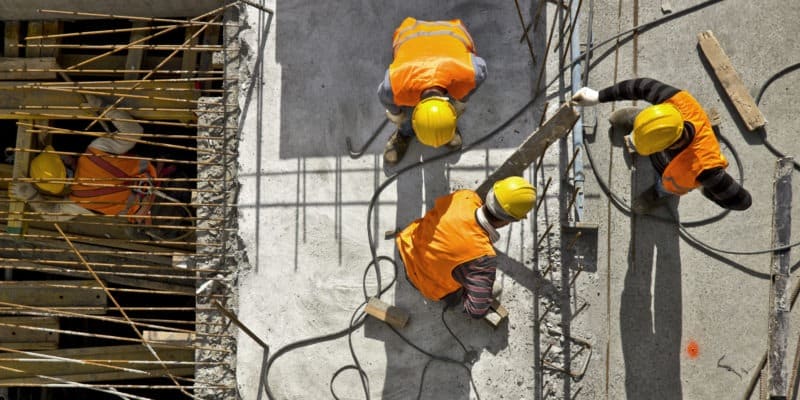
Altogether, project investments directly created tens of thousands of jobs in the construction industry each year, with supply chain purchases and consumer spending inducing thousands of additional jobs across industries ranging from retail and hospitality to healthcare and business services. In particular, the report links Rebuild Illinois to historic work opportunities for the state’s skilled construction workforce, which saw a 28% increase in Active Registered Apprentices over the past six years.
“Investments in infrastructure mean more access to career pathways offering good pay, good benefits, and best in class training,” added Manzo. “Rebuild Illinois is living proof that when we create opportunities for workers do well, it also pays dividends for local businesses, communities and our economy as a whole.”
Looking ahead, the report suggests that building on the progress of the past six years will be influenced by factors ranging from statewide budgetary pressures to the impact of improved fuel economy and electric vehicle adoption on critical infrastructure revenue streams that fund state transportation projects, including the motor fuel tax.
“Rebuild Illinois is proof that infrastructure investment works,” said Kevin Artl, President and CEO of the American Council of Engineering Companies of Illinois. “By making a historic commitment to roads, bridges, waterways, and other critical assets, Illinois has strengthened and modernized its transportation network, supported tens of thousands of jobs each year, and delivered a real return for taxpayers. Engineering firms across Illinois are proud to help design and deliver the projects that keep our economy moving, improve safety, and position communities in every region of the state for long-term growth.”